
Vaginismus Exercises: Yoga Poses and Stretches for Pelvic Floor Relaxation
Key Takeaways
- Yoga supports vaginismus treatment through four pathways: pelvic floor stretching, diaphragmatic breathing, mindful body awareness, and stress reduction — all of which help reduce involuntary muscle tension.
- The diaphragm and pelvic floor move together. Diaphragmatic breathing — the kind encouraged in yoga — can help lengthen and release chronically tight pelvic floor muscles.
- Three yoga poses are especially effective: yogi squat, child’s pose, and happy baby. Each targets the pelvic floor and the hip and lower back muscles that connect to it.
- Yoga and exercise work best as part of a broader approach that includes dilation therapy. Combining relaxation techniques with consistent dilator use addresses both the physical and emotional aspects of vaginismus.
- Consistency is a critical factor in how quickly progress happens. The exercises and tools that feel manageable enough to return to regularly are the ones most likely to help.
Table of Contents
Yoga Can Calm the Mind and Body — Including the Pelvic Floor
Yoga offers both physical and mental relaxation that is key to relieving vaginismus.* This painful condition involves involuntary tightening of the pelvic floor muscles, especially during intercourse, pelvic exams, or tampon use.
With its focus on gentle stretches, breath work, and mindfulness, yoga can reduce muscle tension, ease stress, and improve pelvic floor control — all of which help relieve vaginismus symptoms.
In this article, we share yoga poses and exercises recommended by the pelvic floor physical therapists who teach Vagercise, an online educational and exercise course for women with pelvic floor dysfunction. For additional pelvic floor exercises that complement the yoga poses here, see our article on Pelvic Floor Exercises to Help With Vaginismus.
How Yoga Helps with Vaginal Tightening
For women managing pelvic floor tension and pain from vaginismus, yoga offers several interconnected benefits:
Pelvic Floor Stretches
Even basic yoga poses — such as child’s pose and happy baby — are known for stretching the muscles at the base of the pelvis and can be a gentle way to ease tension associated with vaginismus. Many yoga poses also stretch the hip and lower back muscles that connect to the pelvis. Tension in these areas often contributes to pelvic floor tightness, so improving flexibility there can improve pelvic floor function.
Breathing Practice
As you connect breath with movement in yoga, you are also helping to restore pelvic floor function. The diaphragm — the muscle below your lungs that drives inhalation and exhalation — moves in tandem with the pelvic floor. When you inhale, both the diaphragm and pelvic floor move downward. When you exhale, the diaphragm rises and the pelvic floor lifts with it.
Pelvic floor physical therapists often recommend breathing exercises for women whose pelvic floor muscles are chronically tight and contracted. The diaphragmatic or 360-degree breathing encouraged in yoga — where breath expands the belly, sides, and back — may help lengthen the pelvic floor muscles and reduce tension.
Mindful Movement
Yoga connects the mind to the body, allowing you to notice areas of tension and consciously release them. Because the pelvic floor muscles are internal and invisible, yoga can help you develop better awareness of what they feel like when they are tight — and what it feels like to let them go.
Stress Reduction
Focusing on movement and breathing in yoga helps clear the mind and manage stress. Deep breathing also stimulates the vagus nerve to calm the central nervous system, which plays a direct role in the involuntary muscle tightening associated with vaginismus.
Yoga Poses and Stretches for Vaginismus Relief
Whether stretching at home or participating in a class, integrating these yoga poses into your routine may help you find relief from vaginismus. Focus on poses that target the pelvic floor and the supporting muscles in the hips and lower back that often contribute to pelvic floor tension. The videos below are excerpts from Vagercise yoga classes taught by pelvic floor physical therapists who are certified yoga instructors.
Yogi Squat
A yogi squat provides a deep stretch for the pelvic floor and inner thighs while allowing you to feel the sensation of breath relaxing the muscles. Sit on a yoga block with your knees turned out and heels facing in. Place your hands on the floor between your feet, or bring your palms together in a prayer position with your elbows gently pushing into your inner thighs. Take several rounds of deep breaths, allowing your pelvic floor to lengthen as you inhale and relax as you exhale. Imagine your breath filling your belly and reaching down to your pelvic floor, opening the area between the tailbone and pubic bone.
Child’s Pose
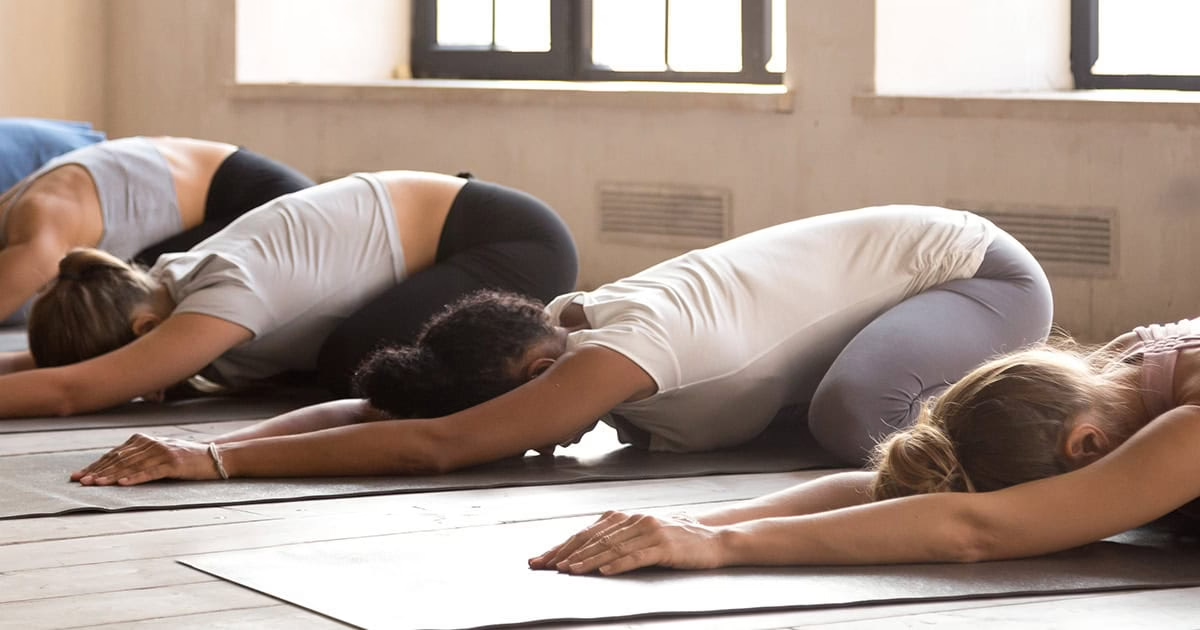
More than a rest position, child’s pose is an essential posture that helps release tension in the pelvic floor, hips, and lower back. Kneel on the floor, spread your knees apart, and bring your big toes together. Lower your chest toward the floor, sitting back on your heels. Walk your arms out and stretch to one side for several breaths, then switch sides. Child’s pose also supports diaphragmatic breathing into the back, sides, and belly. As you inhale, let your breath widen the space between your shoulder blades and fill your belly and pelvic floor. As your body softens into the pose, spread your knees further for a deeper stretch.
Happy Baby
Happy baby provides a deep stretch for the pelvic floor and inner thigh muscles, and offers another opportunity to feel the effects of deep breathing on the pelvic floor. Lying on your back, bring your knees toward your chest and grip the outer edges of your feet. Keep your shoulders and back pressed into the mat, being careful not to lift your sacrum. Focus on relaxing — not clenching — the pelvic floor and inner thighs with each breath.
Vaginismus Exercises to Reduce Vaginal Tightening
A good vaginismus exercise routine includes stretches and exercises that improve pelvic floor awareness and mobility. Try these exercises, taught by pelvic floor PTs in Vagercise online classes, to release tension in the pelvic floor while learning to control the muscles consciously. For exercises that pair well with these, see our article on pelvic floor exercises for vaginismus.
Diaphragmatic Breathing on a Rolled Blanket
Connecting breath to the pelvic floor takes practice. Sitting on a rolled blanket or towel can help you recognize the sensation of the muscles lengthening with breath. Sit on the floor in a cross-legged position, with the blanket positioned under your perineum between your sitz bones. As you inhale deeply, allow your breath to expand your belly, sides, and back. Focus on the feeling of your pelvic floor muscles relaxing into the blanket as you inhale and recoiling as you exhale. Do not force or push your pelvic floor downward — as you practice, the movement should feel natural.
Windshield Wipers
If your hips are tight, your pelvic floor probably is too. Because some hip muscles attach inside the pelvis, the hips need a full range of mobility to allow the pelvic floor to stretch and relax. The windshield wiper exercise warms the hips and pelvic floor, allowing the muscles to relax more readily in subsequent stretches. Sit on the floor with your feet in front, hands behind you, and knees spread apart. Move both knees from side to side, letting the inside knee touch the floor.
Cat/Cow
Tension in the lower back and hips can limit pelvic and spinal movement, worsening pelvic floor conditions like vaginismus. Flowing between cat and cow poses emphasizes pelvic mobility and helps relax the pelvic floor muscles. Start on all fours with your shoulders over your wrists and hips over your knees. Inhale as you move into cow — arching your spine and lifting your chest and tailbone. Exhale into cat — rounding your back and dropping your tailbone. Focus on your pelvis’s movement as you transition, taking deep breaths that lengthen your pelvic floor.
Complementary Approaches for Pelvic Floor Relaxation
Yoga is an important tool for relieving tight pelvic floor muscles, but for many women managing vaginismus, the most effective approach combines multiple techniques. In addition to stretches and exercises, the following approaches can support relaxation and reduce discomfort.
Use a Vaginal Dilator
A vaginal dilator inserts into the vagina to gently stretch and expand the muscles, preparing you for penetration. Dilators work best when used regularly and at a comfortable pace — consistency is a critical factor in how quickly progress happens. In a recent clinical study of Milli users, 85% made measurable progress toward intercourse within 90 days. If you want to understand how dilation therapy works and what the research shows, our article Do Vaginal Dilators Work? covers it fully. If you’re deciding between a static dilator set and an expanding option, our article Vaginal Dilator Sizes: Static vs. Dynamic explains the factual differences.
Milli is an FDA-cleared all-in-one dilator that gradually expands within your vagina at a pace you control — from 15mm to 40mm in 1mm increments — and includes optional vibration for additional relaxation support. It avoids the size jumps and reinsertion discomfort associated with static dilator sets.
Apply a Warm Compress
Applying a warm compress to the pelvic area can help relax the pelvic floor muscles and ease tightness. Try placing a heating pad or warm towel over your lower abdomen and pelvic region while breathing deeply and focusing on relaxation.
Gently Massage the Area
Apply a small amount of lubricant to the vaginal opening and gently massage the surrounding area using slow, circular motions. Focus on relaxation, allowing the muscles to soften over time.
Try Meditation
Progressive muscle relaxation through meditation helps you identify and release tension in specific body parts. Vagercise offers guided meditation sessions led by a pelvic floor PT, focusing on releasing pelvic floor tension through relaxation and breathing techniques.
You do not have to live with the physical and emotional pain of vaginismus. It takes time and consistent effort to improve symptoms — but with the right combination of yoga, exercise, and tools like dilation therapy, steady progress is possible. By incorporating pelvic floor relaxation, stretches, and mindful movement into your routine, you can build the awareness and control that supports your broader treatment plan.
“The diaphragm and pelvic floor move in tandem. When you inhale, both move downward and lengthen. When you exhale, both lift. Diaphragmatic breathing is one of the most direct ways to consciously release pelvic floor tension.”
FAQs
Can yoga help with vaginismus?
Yoga can support vaginismus treatment in four interconnected ways: it stretches the pelvic floor and surrounding muscles, encourages diaphragmatic breathing that helps release tension, builds mindful awareness of where the body is holding tightness, and reduces stress that contributes to involuntary muscle tightening. Together, these benefits help ease the pelvic floor tension associated with vaginismus.
Which yoga poses are most effective for vaginismus?
Three poses are especially effective: yogi squat, child’s pose, and happy baby. Each one targets the pelvic floor along with the hip and lower back muscles that connect to it. Yogi squat provides a deep stretch for the pelvic floor and inner thighs, child’s pose helps release tension in the pelvic floor, hips, and lower back, and happy baby stretches the pelvic floor and inner thigh muscles while you focus on relaxing — not clenching — with each breath.
How does breathing help relax the pelvic floor?
The diaphragm and the pelvic floor move in tandem. When you inhale, both move downward and lengthen; when you exhale, both lift. Diaphragmatic or 360-degree breathing — where breath expands the belly, sides, and back — can help lengthen chronically tight pelvic floor muscles. Deep breathing also stimulates the vagus nerve to calm the central nervous system, which plays a direct role in the involuntary muscle tightening associated with vaginismus.
What other exercises can help reduce vaginal tightening?
In addition to yoga poses, three exercises taught by pelvic floor physical therapists can help: diaphragmatic breathing on a rolled blanket, which helps you feel the sensation of the muscles lengthening with breath; windshield wipers, which warm the hips and pelvic floor so the muscles can relax more readily in subsequent stretches; and cat/cow, which emphasizes pelvic mobility and helps release tension in the pelvic floor as you flow with the breath.
Is yoga enough on its own to treat vaginismus?
For many women managing vaginismus, the most effective approach combines multiple techniques. Yoga is an important tool for relieving tight pelvic floor muscles, but it works best alongside complementary approaches such as dilation therapy, applying a warm compress, gentle massage of the vaginal opening, and meditation. Combining relaxation techniques with consistent dilator use addresses both the physical and emotional aspects of vaginismus.
How does dilation therapy fit in with yoga and these exercises?
A vaginal dilator gently stretches and expands the vaginal muscles, preparing the body for penetration. Dilators work best when used regularly and at a comfortable pace — consistency is a critical factor in how quickly progress happens. Milli is an FDA-cleared all-in-one dilator that gradually expands within the vagina at a pace you control, from 15mm to 40mm in 1mm increments, and includes optional vibration for additional relaxation support. In a recent clinical study of Milli users, 85% made measurable progress toward intercourse within 90 days. For more on how dilation therapy works and what the research shows, see Do Vaginal Dilators Work?
Sources
- Tosun ÖÇ, Dayıkan DK, Keser İ, Kurt S, Yıldırım M, Tosun G. Are clinically recommended pelvic floor muscle relaxation positions really efficient for muscle relaxation? Int Urogynecol J. 2022;33(9):2391–2400. doi:10.1007/s00192-022-05119-3
- Park H, Han D. The effect of the correlation between the contraction of the pelvic floor muscles and diaphragmatic motion during breathing. J Phys Ther Sci. 2015;27(7):2113–2115. doi:10.1589/jpts.27.2113
- Şahin N, Doğan S, Kılınç HE, et al. Effects of diaphragmatic therapy on pelvic floor muscle activity, stress levels, and sexual life satisfaction in Polish women. Appl Sci. 2025;15(22):12055. doi:10.3390/app152212055
- Gerritsen RJS, Band GPH. Breath of life: the respiratory vagal stimulation model of contemplative activity. Front Hum Neurosci. 2018;12:397. doi:10.3389/fnhum.2018.00397
- Muro S, Nimura A, Ibara T, et al. Anatomical basis for contribution of hip joint motion by the obturator internus to defaecation/urinary functions by the levator ani via the obturator fascia. J Anat. 2023;242(4):666–675. doi:10.1111/joa.13810
- van der Velde J, Everaerd W. The relationship between involuntary pelvic floor muscle activity, muscle awareness and experienced threat in women with and without vaginismus. Behav Res Ther. 2001;39(4):395–408. doi:10.1016/s0005-7967(00)00007-3
- Anis TH, et al. Vaginismus treatment: a systematic review and meta-analysis of contemporary therapeutic approaches. J Sex Med. 2026;23(1):qdaf295. doi:10.1093/jsxmed/qdaf295
 About Milli