

What Is Vaginismus?
Vaginismus (vaj-uh-niz-muhs) is a genito-pelvic pain/penetration disorder caused by involuntary contraction of the pelvic floor muscles. It can make vaginal penetration — during sex, tampon use, or a gynecological exam — painful, difficult, or impossible.
Up to 17% of women with a vagina are affected, though the true number is likely higher due to underreporting (Nasim & Nashwan, 2025). Vaginismus is not a psychological condition — it is not “all in your head.”
Clinicians may describe the pelvic floor as “hypertonic” — meaning the muscles are tightly contracted and have difficulty relaxing.
Recognizing the Signs of Vaginismus

The “Wall” Sensation
Feeling like you hit a physical barrier when attempting insertion — a tampon, finger, speculum, or during sex.

Burning, Stinging, or Tightening
Sharp or persistent pain that may feel like burning or muscle clamping during or after attempted penetration.

Difficulty With Any Penetration
Trouble using tampons, enduring a pelvic exam, or engaging in self-stimulation — not just intercourse.

Fear & Avoidance
Anticipatory anxiety, pulling away from intimacy, or dreading gynecological appointments because of past pain.
What May Be Contributing to Your Symptoms
Vaginismus can have many causes — and often more than one. Understanding what may be driving your symptoms helps guide your next step.
Painful Intercourse (Dyspareunia)
Past or ongoing pain with sex can trigger muscle guarding that makes future penetration harder. Over time, the body learns to anticipate pain and tightens reflexively.
Postpartum Recovery
Tearing, pelvic floor changes, hormonal shifts, and fatigue after childbirth can all contribute to involuntary pelvic muscle tightening — even for women who had no prior symptoms.
Menopause & Hormonal Changes
Declining estrogen can thin vaginal tissue and increase pelvic muscle tension, making penetration feel uncomfortable or painful when it previously did not.
Anxiety & Fear of Penetration
Anticipatory anxiety can cause the pelvic floor to tighten involuntarily — creating a self-reinforcing fear/pain cycle where the anticipation of pain produces the very thing feared.
Trauma or Sexual Abuse
A history of sexual trauma, abuse, or a traumatic vaginal procedure is a recognized risk factor. The body’s protective response can persist long after the event itself.
Medical Conditions & Surgery
Recurrent yeast infections, UTIs, lichen sclerosus, endometriosis, and prior pelvic surgery can all contribute — the body tightens protectively in response to ongoing or remembered pain.
How Vaginismus Is Diagnosed
There is no single definitive test for vaginismus. Diagnosis is based on your history, your symptoms, and ruling out other causes — not on whether a clinician can observe a visible spasm.
- Current guidelines do not require a vaginal exam to confirm the diagnosis
- “Everything looks normal” is not the same as “nothing is wrong”
- Coming prepared with the right questions helps your provider give you a targeted assessment
- If a provider insists an observed spasm is required, consider a second opinion from a pelvic pain or sexual health specialist
Your Treatment Options
Treatment is tailored to you — most women do best with a combination of approaches. Clinical studies show vaginismus symptoms can be fully resolved regardless of severity or cause.
Pelvic Floor Physical Therapy
A specialized PT can assess your pelvic floor and guide exercises to reduce involuntary tightening. Works well alongside home dilation.
Dilation Therapy
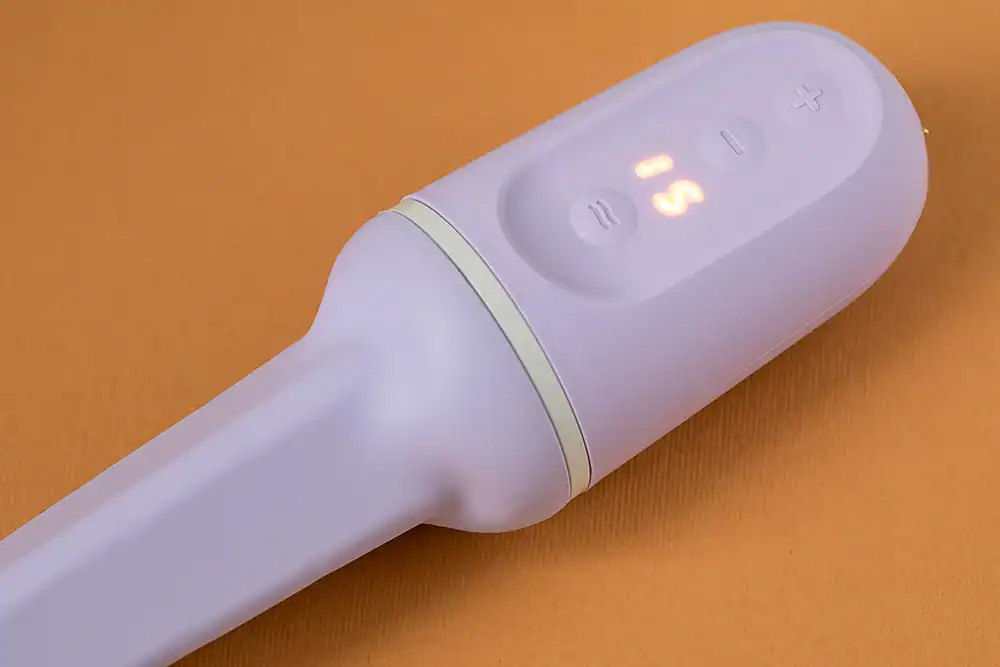
Gradual, patient-controlled exposure desensitizes the body to penetration and retrains the pelvic floor to relax. Consistency drives results.
CBT or Sex Therapy
Cognitive behavioral therapy or sex therapy addresses fear, anxiety, and relationship strain — often combined with dilation for best outcomes.
Medical Evaluation
Rule out infections, hormonal changes, skin conditions, and other medical causes with your provider. Botox is an option in severe cases.

Why Consistency Changes Everything
Pelvic muscle therapy works — but only when it’s done consistently over time. It requires gradual progression, repetition, relaxation, and confidence. And most of that progress happens at home.
Consistency isn’t just about motivation. It’s influenced by tool design, emotional comfort, and how manageable therapy feels in daily life. Data on static dilator use shows discontinuation rates of 41% by 3 months and up to 57% by 6 months — often because size jumps, reinsertion friction, or emotional distress make sessions feel overwhelming (Materna Medical, data on file, 2025).
Women don’t fail therapy. Therapy tools fail women.

Proven Outcomes. Real Results.
Designed to support steady, achievable progress for women with vaginismus.
85%
Made meaningful progress towards intercourse after 3 months
33.7mm
Average dilation reached after 6 months
97%
Found Milli easy to use
80%
Used Milli consistently 1-4 days per week at 6 months
Real Women. Real Progress.

“It has significantly reduced pain with penetration. I was able to tolerate a vaginal ultrasound without pain or discomfort recently, which was previously extremely painful.”Milli Clinical Study Participant

“Made me feel a little more confident knowing I have control.”Milli Clinical Study Participant

“Much improved. Less pain and developing less fear.”Milli Clinical Study Participant

“Milli has helped me gain confidence in my ability to have intercourse again.”Milli Clinical Study Participant